
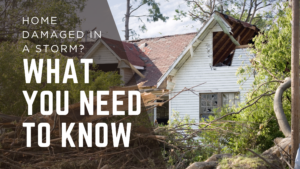
As we transition into colder weather, heavy rain and strong winds can create serious headaches for property owners. Fallen trees, roof damage, flooding, and other storm-related losses can happen suddenly, leaving homeowners to navigate both repairs and their storm damage insurance claim alone during during an already stressful time.
Fortunately, there are steps you can take before and after a storm to protect your property and put yourself in a better position should your home experience weather-related damage, and you need to file an insurance claim. Ruiz & Smart has experience helping policyholders navigate severe weather-related property losses and insurance disputes. Follow the guide below to help protect yourself, your property, and your right to compensation.
Before Stormy Weather Hits:
1. Review Your Insurance Policy
Don’t wait until after a storm to find out what your insurance policy covers.
Insurance companies generally only pay benefits available under the coverage you purchased, subject to the terms, limits, deductibles, and exclusions contained in your policy. Take time to review your policy and determine what coverage you have for wind, rain, and other storm-related damage.
Pay particular attention to your deductible, coverage limits, exclusions, and whether your property is insured at replacement cost or actual cash value. You should also consider whether your current coverage limits are sufficient to repair or replace your property following a significant loss.
If you are unsure what your policy provides, contact your insurance agent or broker before severe weather strikes.
2. Check Your Home and Its Surroundings
Before a storm arrives, spend a few minutes surveying your home and surrounding property. Look for damaged or unstable trees, broken branches, loose outdoor furniture, clogged gutters, and other potential hazards that could cause or worsen damage during high winds and heavy rain.
This is also a good opportunity to document your home’s condition. Take photographs of your roof, siding, windows, gutters, fences, trees, and other exterior features.
Having recent photographs showing your property’s pre-storm condition can become valuable evidence if you later need to establish that particular damage resulted from a storm rather than ordinary wear and tear or a preexisting condition.
3. Take Photos and Videos of Your Belongings
One of the best habits a homeowner can develop is routinely documenting their personal property.
At least once a year, walk through your home and take photographs or videos of each room. Document your furniture, electronics, appliances, valuables, and other important belongings. When possible, retain receipts, serial numbers, purchase records, or appraisals for higher-value items.
Consider creating a written or digital home inventory containing this information and storing a copy somewhere secure and accessible outside your home, such as cloud storage.
Don’t forget to preserve the date the photographs and videos were taken. If you later suffer a significant loss, these records can help demonstrate what property you owned and its condition before the storm.
If your home is damaged, do these things right away:
1. Document Damaged Property
After a storm, your priority should always be your safety. Once it is safe to inspect your property, thoroughly photograph and video the affected areas before cleaning up or making permanent repairs.
Take both wide-angle photographs showing the overall damage and close-up photographs documenting specific areas and damaged items. If the home is unsafe, ask a professional contractor to take the photos during the mitigation process.
Whenever reasonably possible, do not dispose of damaged property until your insurance company has had an opportunity to inspect it. If something must be removed immediately because it presents a health or safety concern, photograph and document it thoroughly before disposal.
The more evidence you preserve following a loss, the easier it may be to demonstrate the nature and extent of your damages during the insurance claims process.
2. Prevent Additional Damage
Documenting the original damage does not mean you should leave your property exposed to additional harm.
Insurance policies commonly require policyholders to take reasonable steps to protect damaged property from further loss. Depending on the circumstances, this might include tarping a damaged roof, covering a broken window, removing standing water, or arranging other temporary emergency repairs.
When possible, photograph the property before and after these temporary repairs. Keep receipts, invoices, and records for any money you spend mitigating the damage, as some of these expenses may be reimbursable under your policy.
Avoid making unnecessary permanent repairs before your insurer has had an opportunity to evaluate the loss.
3. Promptly Report Your Claim
Once you discover storm damage, review your policy’s notice requirements and report the loss to your insurance company promptly.
Delaying notice can slow the claims process and, depending on the circumstances and policy requirements, may create additional issues with your claim.
When reporting the loss, keep detailed records. Save your claim number, photographs and videos, repair estimates, receipts, emails, letters, and other communications with the insurance company. When speaking with an adjuster or insurance representative, consider keeping notes identifying the date, the person you spoke with, and what was discussed.
Creating a dedicated folder for your insurance claim—whether physical or digital—can make this process significantly easier.
Preparation Before the Storm Can Make a Difference
Storm damage insurance claims are stressful enough without having to reconstruct what your property looked like, what you owned, or what happened after the fact. Taking a few preventative steps now can make a significant difference if severe weather damages your property later.
Review your coverage. Document your property before a loss. Protect your home when severe weather approaches. And if damage occurs, photograph everything, mitigate additional damage, save your records, and promptly report the loss.
If your insurance company delays, denies, or underpays a storm-related property claim, you may have options. Ruiz & Smart can help you understand your insurance policy, evaluate your insurer’s handling of the claim, and determine the appropriate next steps. Contact us to learn more.
Additional resources from Ruiz and Smart:
Homeowners Insurance Claims: 10 Dos and Don’ts You Need to Know
Washington resources:
Office of the Insurance Commissioner: https://www.insurance.wa.gov/insurance-resources/natural-disasters/disaster-preparedness/insurance-natural-disasters
WA DSHS Emergency Preparedness: https://doh.wa.gov/emergencies/be-prepared-be-safe/get-ready/home-emergency-preparedness